- Your cart is empty
- Continue Shopping


Hyacinth bean (Lablab bean) Nutrition facts and Health benefits
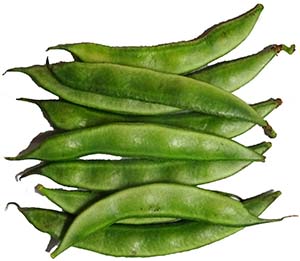
Selection and storage
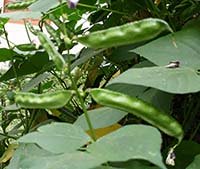 |
| Lablab purpureus. |
In many Asian households, tender and immature lablab beans are widely used in everyday cooking. Fresh beans are easily available in local markets across tropical regions, making them a common ingredient in traditional dishes.
Choose fresh, tender, and immature beans for the best flavor and texture. Avoid beans that are shriveled, broken, cut, or bruised, as they tend to spoil quickly and lose quality. For longer freshness, store them in the refrigerator just like French beans.
Preparation and Serving Methods
Begin by rinsing the beans thoroughly under cold running water to remove any dirt or debris. Trim the ends and remove any strings that come off easily. Then cut the beans into uniform pieces to ensure even cooking.
When using dry beans, soak them in cold water for 6–8 hours before boiling. This process helps reduce anti-nutritional compounds and minimizes the likelihood of flatulence.
Consider these serving suggestions:
-
Use fresh beans in stir-fries, stews, baked dishes, or salads for added nutrition and flavor.
-
In India, hyacinth beans are known as seim beans (सेम फली). Tender beans are used in the popular dish sem-aloo ki sabzi, prepared with potatoes, onions, and tomatoes.
-
Che dau van is a traditional Vietnamese dessert made from boiled hyacinth beans, sugar, and coconut milk.
-
In Kannada, the whole immature pods are called Chapparada avarekayi (ಚಪ್ಪರದ ಅವರೆಕಾಯಿ) — meaning trellised lablab pole beans — used to make a flavorful curry often served over rice.
Safety Profile
Always ensure hyacinth beans are thoroughly cooked before consumption. Raw beans contain cyanogenic glycosides, which can release cyanide gas and cause toxicity.
Proper cooking destroys these harmful substances, making the beans safe and nutritious to eat. (Medical disclaimer).
You may also like to read≻≻-
≻≻-Back to Legumes from Hyacinth bean. Visit here for an impressive list of vegetables with complete illustrations of their nutrition facts and
health benefits.
≻≻-Back to Home page.
Further Resources:
-
Hyacinth mature seeds-USDA National Nutrient Database.
-
Raw, immature pods-USDA National Nutrient Database.
