- Your cart is empty
- Continue Shopping


Dynamic Stretching: a Pre-Workout Mobility Guide for Better Performance
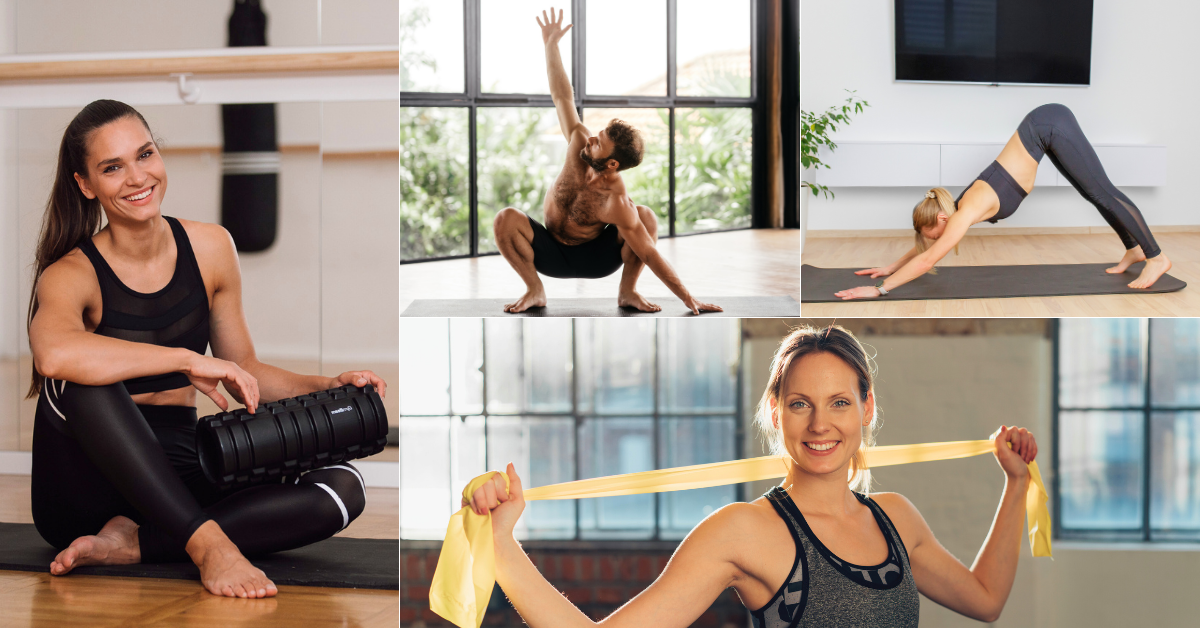
What does your warm-up look like? A few minutes on the treadmill and a quick stretch of the thighs? If so, you might be missing out on hidden reserves in your performance and unnecessarily risking injury. Static stretching before a workout is now an outdated concept. The modern approach used by top athletes is called mobility. It’s not about passive stretching, but about actively preparing joints and muscles for the load. Let’s see how these few extra minutes can improve your entire workout.
What is Dynamic Stretching?
Unlike classic static stretching, where you hold one position, dynamic stretching focuses on active and controlled movement through the full range of joints. It’s not just about how much you can passively stretch, but how well you can actively control your joints and muscles. This ability is the key to better, stronger, and healthier movement.
What is the Difference between Static and Dynamic Stretching?
Many people confuse static and dynamic stretching, yet each has its irreplaceable place in training, as shown in the following comparison.
| Dynamic Stretching (Mobility) | Static Stretching | |
|---|---|---|
| When is it suitable | Before training | After training, on rest days |
| Goal | Activation, preparation for performance | Relaxation, increased flexibility |
| Execution | Smooth movement through the full range | Hold in the extreme position (15–30 s) |
| Effect | Increased performance, injury prevention | Muscle relaxation, recovery |
5 Benefits of Dynamic Stretching before Training
Including a few minutes of dynamic stretching or mobility in your routine before each workout brings a range of benefits that manifest not only in your performance but also in long-term health.
1. Reduced Risk of Injury
Dynamic stretching increases blood flow to the muscles, warms them up, and prepares them for the load. It also activates the joints and supports the production of synovial fluid, which acts as their “lubricant.” In this way, you prepare your body for the load and significantly reduce the risk of muscle, tendon, or sprain injuries.[1, 2]
2. Improved Performance During Training
Better mobility means a larger and higher-quality range of motion. In practice, you will feel it immediately: a greater range of motion in the ankle, for example, allows you to perform a deeper and more stable squat. More relaxed shoulders and thoracic spine improve your technique in pressing and pulling exercises. This makes the exercise more effective, and you get the most out of it for muscle and strength growth. [3]
3. Improved Posture and Pain Relief
Many people have shortened muscles and a stiff body due to a sedentary lifestyle. Regular mobility helps correct these imbalances and releases tension in key areas (such as hips and shoulders). It contributes to better posture and reduces chronic back pain or shoulder pain.[5]
4. Activation of the Nervous System and Better Mind-Muscle Connection
Mobility helps prepare not only your muscles but also your brain for training. Controlled movements awaken your nervous system and improve proprioception, the ability to perceive the position and movement of your own body. Thanks to this, you activate the right muscles during the exercise better and improve the so-called mind-muscle connection, which is crucial for technique and muscle growth.[4]
If you want to learn more about why the connection between the brain and muscles is so important, you will find out in the article Mind-Muscle Connection: The Hidden Weapon of Strength Training.
5. Mental Preparation and Tuning for Performance
After a long day at work, it can be difficult to mentally switch to exercise mode. Dynamic stretching acts as a transitional ritual. Conscious and controlled movements force you to focus on your own body and breath, thereby calming your mind and better tuning in for the upcoming performance. It’s a great way to leave the day’s worries at the gym door.[2]
You might be interested in these products:
Pre-Workout Mobility: Best Full-Body Exercises
For better clarity, we have divided the following exercises according to the body parts they primarily target. You can thus create your own warm-up tailored to your needs or the training that awaits you. The listed exercises are also suitable as a morning warm-up or anytime during the day, when you want to get your body moving, for example, after long sitting.
In addition to a yoga mat, you will find a smooth-surfaced foam roller and a long resistance band useful for the following exercises.
Shoulder and Upper Back Stretching
Frequent shoulder pain, joint clicking, or a feeling of stiffness can significantly limit your training. These exercises are designed to improve shoulder mobility, which is crucial, for example, for preventing rotator cuff injuries and other shoulder issues. Include them before every upper-body workout, especially if you have pressing exercises or other shoulder exercises ahead.
1. Back and Shoulder Stretch with Foam Roller (Prayer Stretch)
- Starting Position: Kneel on a mat and place your hands palms down on a foam roller in front of you. Keep your back in a neutral position.
- Execution: Exhale slowly as you roll the roller forward and simultaneously lower your chest towards the mat. Try to keep your hips as much above your knees as possible to maximise the stretch in the upper back and shoulders. In the extreme position, where you feel a pleasant tension in the back area, hold for a few breaths and then return in a controlled manner. Repeat as needed.
- Common Mistakes: Moving the hips too far back, rounding the lower back, too fast and uncontrolled movement.

2. Shoulder Rotations with Resistance Band (Expander Shoulder Pass Throughs)
- Starting Position: Stand with your feet about shoulder-width apart and tighten your core. Grasp the
resistance band with a wide overhand grip, keeping your arms straight and the band in front of your hips. The wider the grip you choose, the easier the exercise will be. - Execution: Inhale smoothly and with extended arms, lift the resistance band in a wide arc up, over your head, and behind your body. The movement should be slow and controlled. Hold in the back position for a moment and then return to the starting position with an exhale. You can narrow the grip as needed to achieve a greater stretch.
- Common Mistakes: Bending the elbows, too narrow a grip, lifting the shoulders to the ears, excessive arching in the back, too fast and uncontrolled movement.

3. Shoulder Circles with Resistance Band (Expander Shoulder Circles)
- Starting Position: Stand with your feet about shoulder-width apart and tighten your core. Grasp the resistance band with a wide overhand grip (palms facing the body) and hold it with extended arms in front of you.
- Execution: Start a smooth movement by raising one arm up and lowering the other down. Continue in a circular motion around the head and torso, as if trying to circle the entire body with the resistance band. The arms alternate constantly. One goes over the head while the other goes behind the back. The movement is smooth and uninterrupted, returning smoothly after completing one direction and alternating the leading arm. Breathe smoothly and do not hold your breath.
- Common Mistakes: Significant bending of the elbows, too fast and uncontrolled movement, excessive movement of the torso instead of isolating the movement in the shoulders, lifting the shoulders to the ears.

4. Shoulder Circles on All Fours (Quadruped Shoulder Rotation)
- Starting Position: Kneel on all fours, placing your palms directly under your shoulders and knees under your hips.
- Execution: Breathe smoothly and start slowly circling your shoulders to one side. The movement comes only from the shoulders and shoulder blades, and you will gradually try to increase the range of motion. After completing a series on one side, change the direction of circling.
- Common Mistakes: Too fast and uncontrolled movement.

5. Wall Arm Circles in Kneeling (Wall Arm Circles)
- Starting Position: Kneel sideways to the wall in a lunge position, the leg further from the wall is in front. The torso is upright, and the arm closer to the wall is extended along the body. Hold the other in front.
- Execution: With a smooth exhale, start moving in a large semicircle with the extended arm closer to the wall. Lead the movement as high and as far behind the body as possible without significantly rotating the torso. The goal is to maximise movement in the shoulder joint. Then, with an inhale, smoothly return to the starting position and repeat the movement. After completing a series, switch sides.
- Common Mistakes: Too fast and swinging movement, excessive torso rotation instead of isolated shoulder movement, bending the elbow.

Chest and Spine Stretching
Are you troubled by a stiff or sore back from sitting, pain between the shoulder blades, or poor posture? These exercises are aimed at releasing the thoracic spine and improving its mobility. Proper trunk rotation and an open chest are key not only for relieving back pain but also for the technique of exercises such as bench press
or squat.
1. Thoracic Extension Over Foam Roller
- Starting Position: Sit on a mat, place a foam roller under the upper back (approximately in the shoulder blade area), bend your knees, and keep your feet flat on the ground. Place your hands behind your head to support your head and cervical spine.
- Execution: Exhale slowly as you lean your head and upper torso over the roller until you feel a pleasant stretch in the chest and back area. You can hold this position for a few breaths. Inhale smoothly as you return to the starting position. Repeat the movement slowly and controlled.
- Common Mistakes: Excessive arching in the lower back, lifting the buttocks off the mat, placing the roller too low (in the lower back area), uncontrolled and too fast movement, insufficient head support.

2. Cat-Cow
- Starting Position: Kneel on all fours, placing your palms directly under your shoulders and knees under your hips. Keep your back in a neutral, straight position and look towards the ground.
- Execution: Exhale slowly as you arch your entire back towards the ceiling (cat position) and pull your chin to your chest. Then, with an inhale, smoothly arch your back towards the floor (cow position) and lift your gaze slightly forward. Repeat the movement smoothly and controlled in the rhythm of your breath.
- Common Mistakes: Too fast and jerky movement, movement coming only from the lower back, holding your breath.

3. Thoracic Wall Rotations
- Starting Position: Kneel sideways to the wall in a lunge position, with the leg further from the wall in front. The torso is upright, arms in front, and palms facing each other.
- Execution: Exhale as you start rotating the torso and the arm further from the wall. Bend it at the elbow, and once it is behind the body, extend it again so that the back of the hand almost touches the wall behind you. Inhale as you return in a controlled manner and switch sides after completing a series.
- Common Mistakes: Too fast and swinging movement, turning the hips and knees to the side.

4. Scorpion Stretch
- Starting Position: Lie on your stomach, arms out to the sides at shoulder height, palms down. Legs are extended.
- Execution: Exhale as you lift one leg, bend it at the knee, and smoothly move it across the body. You can lightly touch the mat with your toes. At the same time, try to keep the chest on the mat. The movement comes from rotation in the hip and spine. Hold the stretch for a few seconds, then inhale as you return in a controlled manner and repeat the exercise on the other side.
- Common Mistakes: Too fast and swinging movement, lifting the chest off the mat, insufficient range of motion, holding your breath.

More exercises for releasing the thoracic spine can be found in the article 12 Effective Exercises to Relieve Cervical And Thoracic Spine.
Discover our bestsellers:
Wrist and Forearm Stretching
Sore or stiff wrists, for example, after long work on the computer or during exercise, such as push-ups or overhead presses, is a common problem. The following exercises improve wrist mobility and serve as excellent prevention against their pain and overload. They are ideal before any workout where you rely on your hands or lift heavy weights. They are also suitable for releasing the wrists anytime during the day.
1. Wrist Extension Stretch with Fingers Forward
- Starting Position: Kneel on all fours, place your palms on the mat directly under your shoulders with fingers pointing forward. Keep your elbows straight.
- Execution: Exhale slowly as you shift your weight forward, trying to keep your palms flat on the ground. Move only as far as you feel a pleasant stretch in the wrists and forearms. Inhale smoothly as you return and repeat the movement.
- Common Mistakes: Lifting the palms off the mat, too fast and uncontrolled movement.

2. Reversed Grip Wrist Extension Stretch
- Starting Position: Kneel on all fours, place your hands on the mat approximately under your shoulders with the backs of your hands down, fingers pointing towards your knees. Keep your elbows straight.
- Execution: Exhale slowly as you shift your weight backwards towards your heels until you feel a pleasant stretch in the wrists and the top of the forearms. Inhale as you return to the starting position and repeat the movement smoothly.
- Common Mistakes: Lifting the backs of the hands off the mat, bending the elbows, too fast movement.

More exercises for stretching wrists and forearms can be found in the article How to Exercise With Carpal Tunnel Syndrome: 13 Stretching Exercises for Wrist Relief.
Hip and Lower Body Stretching
Do you finally want to master a deep and stable squat? Are you troubled by stiff hips from sitting, shortened hamstrings, or limited ankle mobility? This routine is an absolute must before every leg workout. It will help you release the hips, stretch the hamstrings, and prepare the entire lower limbs for maximum performance during squats, lunges, and deadlifts. It is also suitable before running training.
1. 90/90 Hip Switch
- Starting position: Sit on a mat and place your legs to the side. Bend them at the knees so that there is approximately a 90-degree angle between the calves and the back of the thighs. Both knees and feet rest on the ground. Place your hands behind your body on the mat for support, keeping your back in its natural curve.
- Execution: As you exhale, slowly lift your knees off the mat and move them to the other side. Maintain a 90-degree angle. Alternate sides at a slow and controlled pace to feel the work in your hip joints. If you want to make the exercise more difficult, raise your arms.
- Common mistakes: Too fast and uncontrolled movement, lifting the hips off the mat, insufficient range of motion.

2. Hamstring Stretch from Deep Squat (Squat to Stand)
- Starting position: Start in a deep squat with your feet roughly shoulder-width apart. Try to keep your heels flat on the mat, knees pointing out, and firmly grasp the tips of your shoes with your hands.
- Execution: As you exhale, begin to lift your hips towards the ceiling and straighten your legs. Continue to hold the tips of your shoes with your hands. Your legs do not have to be fully extended, it is important to feel the stretch in the back of your thighs. As you inhale, return in a controlled manner back to the deep squat. Repeat the entire movement smoothly.
- Common mistakes: Lifting the heels off the mat in the squat position, too fast and uncontrolled movement.

3. Dynamic Stretch in Downward Dog (Downward Dog Stretch)
- Starting position: From the all-fours position, first get into the downward dog. As you exhale, transfer your weight to your upper limbs, which are extended at the elbows, with your palms firmly pressed into the mat. Lift your hips towards the ceiling and straighten your lower limbs. Keep your back in its natural curve.
- Execution: In the downward dog position, bend one leg at the knee and lift its heel off the mat. Conversely, extend the other leg at the knee and press its heel towards the mat. Hold the stretch for a few seconds and then switch legs. You should feel tension on the back of your thigh and in your calf during the stretch.
- Common mistakes: Shifting weight too far forward onto the hands, rounding the back, too fast movement without feeling the stretch.

4. Side-to-Side Lateral Lunges
- Starting position: Stand in a wide straddle stance, toes pointing slightly outward. Keep your hands on your hips or clasped in front of your body.
- Execution: As you inhale, transfer your weight to one side, bend your leg at the knee, and perform a side lunge. The other leg remains extended with the toe raised. Try to keep your back in its natural curve, your heel on the ground, and hold this position for a few seconds. As you exhale, smoothly, without fully straightening, move to the other side and again include a short hold. Continue alternating sides as needed.
- Common mistakes: Rounding the back, lifting the heel off the ground, too fast and uncontrolled movement.

Comprehensive Full-Body Stretch
Do you have little time, or are you preparing for a full-body workout? These complex exercises are the perfect choice for an effective full-body warm-up. They engage and warm up multiple joints at once, boost energy, and prepare you for the load.
1. Dynamic Stretch in Lunge (World’s Greatest Stretch)
- Starting position: Perform a long forward lunge with one leg. The back leg is extended. Place both palms on the mat on the inside of the front foot.
- Execution: As you exhale, bend the elbow of the hand that is closer to the front leg and bring it as close to the mat as possible. Hold this position for a moment and feel the stretch in your hip. Then, as you inhale, straighten up and rotate your torso to the same side. Raise your arm towards the ceiling and look up after it. As you exhale, return your palm to the ground and smoothly repeat the entire movement. After completing the series, switch legs.
- Common mistakes: Lifting the heel of the front foot off the mat, rounding the back, rotation originating only from the shoulder.

2. Deep Squat With Thoracic Rotation
- Starting position: Start in a deep squat with your feet slightly wider than shoulder-width apart. Try to keep your heels flat on the mat and your back in its natural curve. Brace your elbows against the inside of your knees and join your palms in front of your chest.
- Execution: As you exhale, release one arm, extend it, and rotate your chest after it towards the ceiling. Look up after the rising hand. As you inhale, return in a controlled manner back to the starting position and smoothly repeat the movement on the other side.
- Common mistakes: Lifting the heels off the mat, rounding the back, collapsing the knees inward, too fast and uncontrolled movement.

Where to Next?
Try other exercises from our articles to stretch and release other parts of your body.
What should you take from this?
Mobility before training is not just a necessary evil or a waste of time, but one of the smartest investments you can make for your body. These few minutes will not only help you reduce the risk of injury but also unlock a better range of motion, activate the right muscles, and ultimately lift heavier weights and exercise more effectively.
You do not have to do all the exercises listed. Choose 3–5 of them that target the parts of the upcoming workout and create your own short but effective pre-workout ritual.
Sources:
